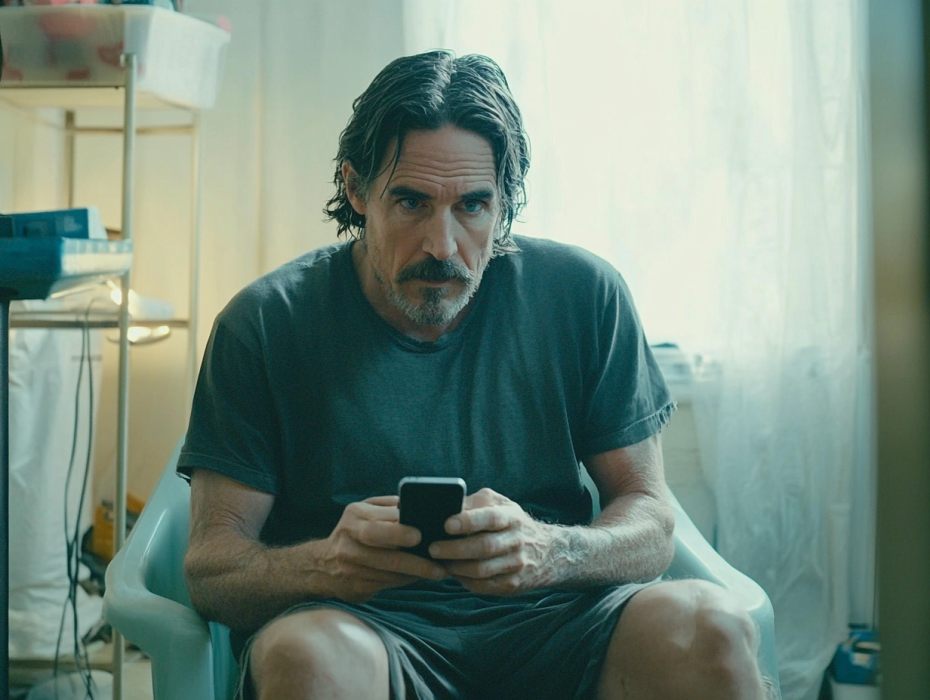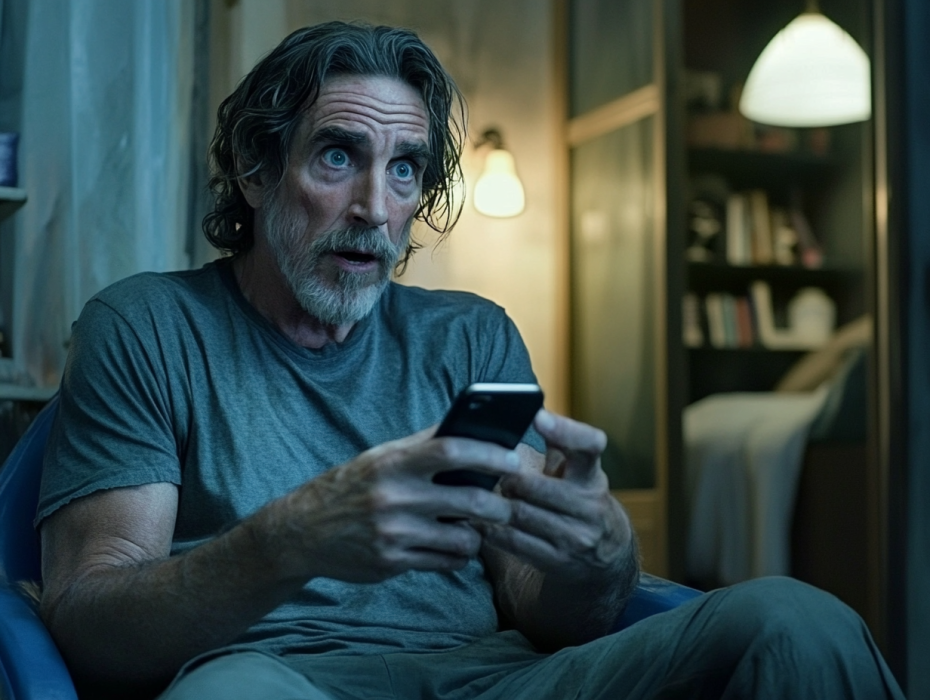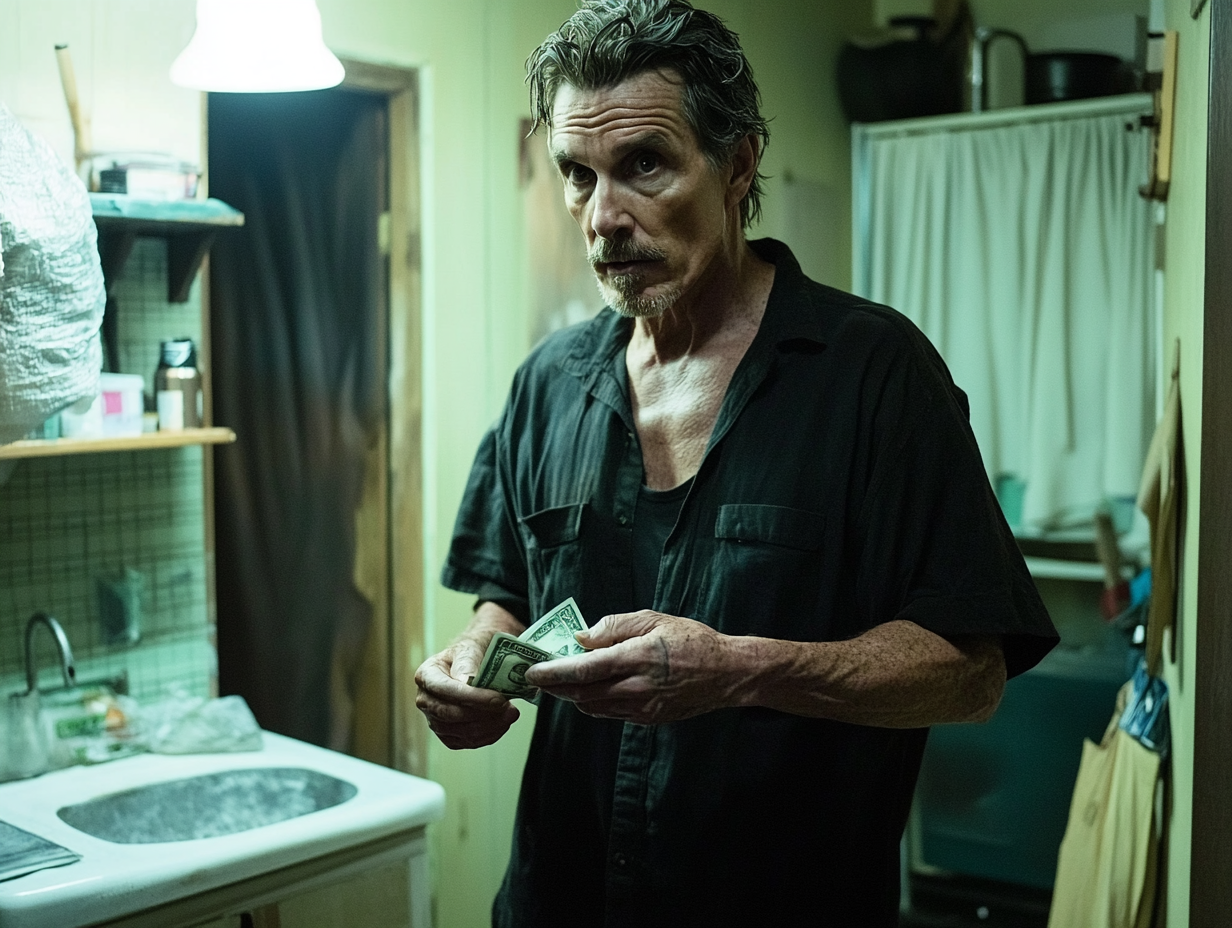

Vincent couldn’t stop himself. He opened the Facebook app and typed the name that had haunted him for over two decades: Linda McIntyre. His wife—still legally, technically. The woman he’d abandoned without warning, leaving her alone to face the impossible: seven unborn children and a life he’d chosen to flee.
He had tried, many times, to forget that name. To push it deep beneath the noise of bars, cities, and fleeting faces. But now, drowning in illness and uncertainty, hers was the name that surfaced. And with it, the memory of the night he walked away without looking back.

Linda beamed with pride as she posted Jacob’s graduation photo. Her heart swelled—Harvard Law. She had done it. Twenty-six years of struggle, tears, and sleepless nights had finally led here. Her dream, once hanging by a thread, now stood tall in a cap and gown.
All seven of her children were healthy, happy, and thriving. Through every dark day, she had held on. And now, it felt like God had finally answered. Gratitude poured from her like sunlight. What she didn’t know was that this simple Facebook post was about to change everything—for her, and for the septuplets.
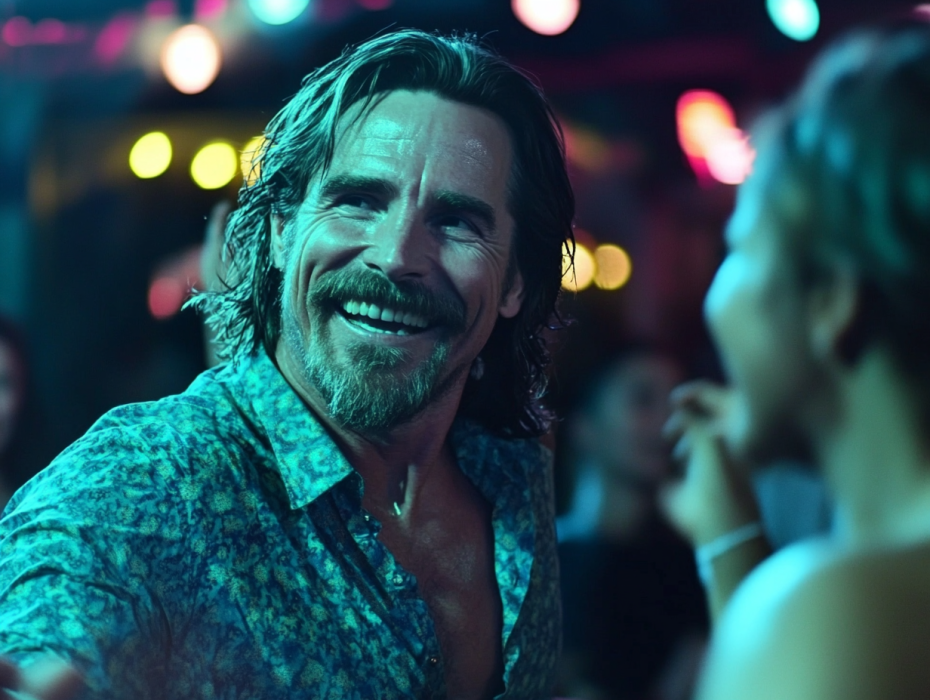
Vincent had always believed that life was meant to be devoured, not measured. At 49, he still lived like a man with nothing to lose. The sun, the music, the late-night haze of Ibiza wrapped around him like an old friend. He waited tables by day and danced by moonlight.
Rules had never meant much to him. Settling down, paying a mortgage, raising children—those were cages other people built for themselves. Vincent had floated through cities, countries, decades, on a cloud of parties and powdered nights. He wore his freedom like a badge. But lately, it had begun to fray.
Two months ago, something shifted. It was subtle at first. A breath harder to catch. A hangover that clung past noon. A dull ache he couldn’t stretch away. Still, he told himself it was nothing. A rough night. A bad mix. Nothing he hadn’t bounced back from before.
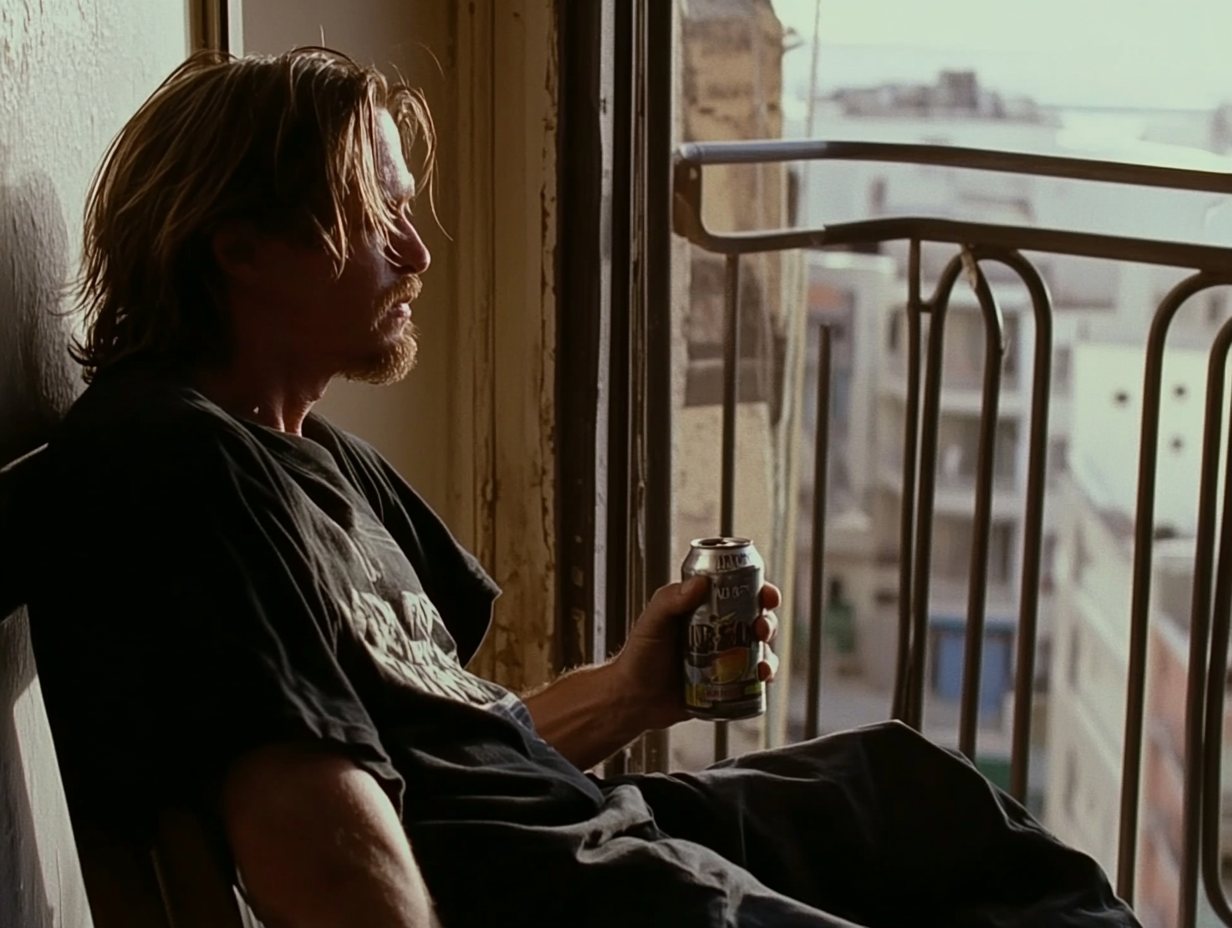
That morning had started like any other. Vincent had woken up at ten, curtains drawn, mouth dry. The bass of last night’s club still throbbed faintly in his ears. He cracked open a beer, the hiss of the can familiar, almost comforting. He slouched onto his tiny balcony, eyes squinting against the sun.
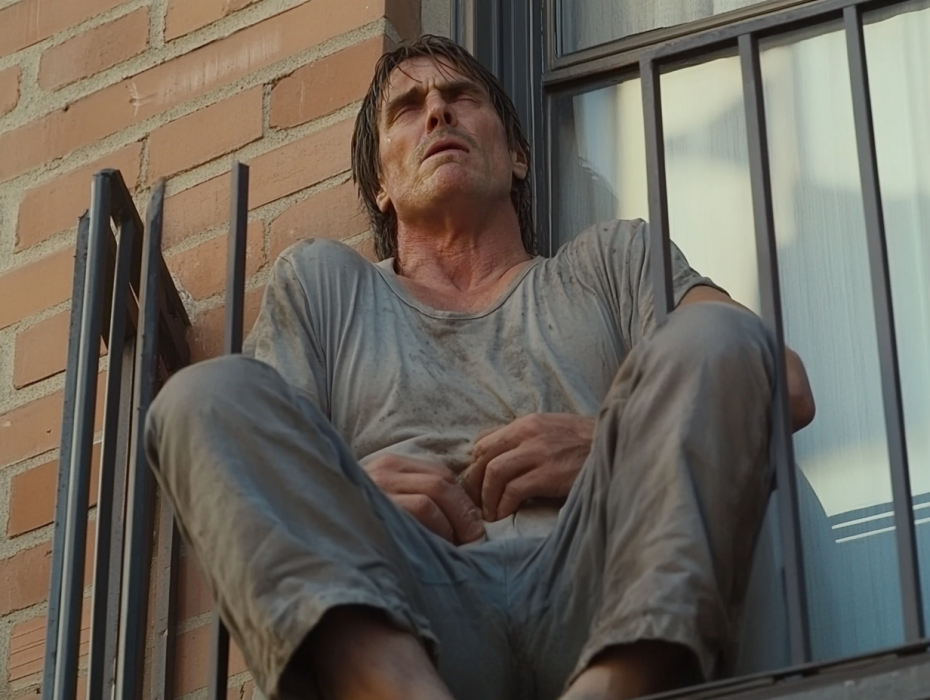
He watched the street below, half-listening to the squawk of seagulls tearing at a trash heap. A hazy flash of memory—laughter, strobe lights, a girl with glitter on her cheek—flickered and vanished. He didn’t mind the holes in his recollection. Forgetting was part of the charm. Until the pain hit.
It started like a pinch, then sharpened into something that stole his breath. Vincent clutched his side and doubled over, forehead damp. He groaned, struggling to stay still as the pain bloomed under his ribs. Minutes passed before he could sit upright. His hands trembled. His instincts finally kicked in.
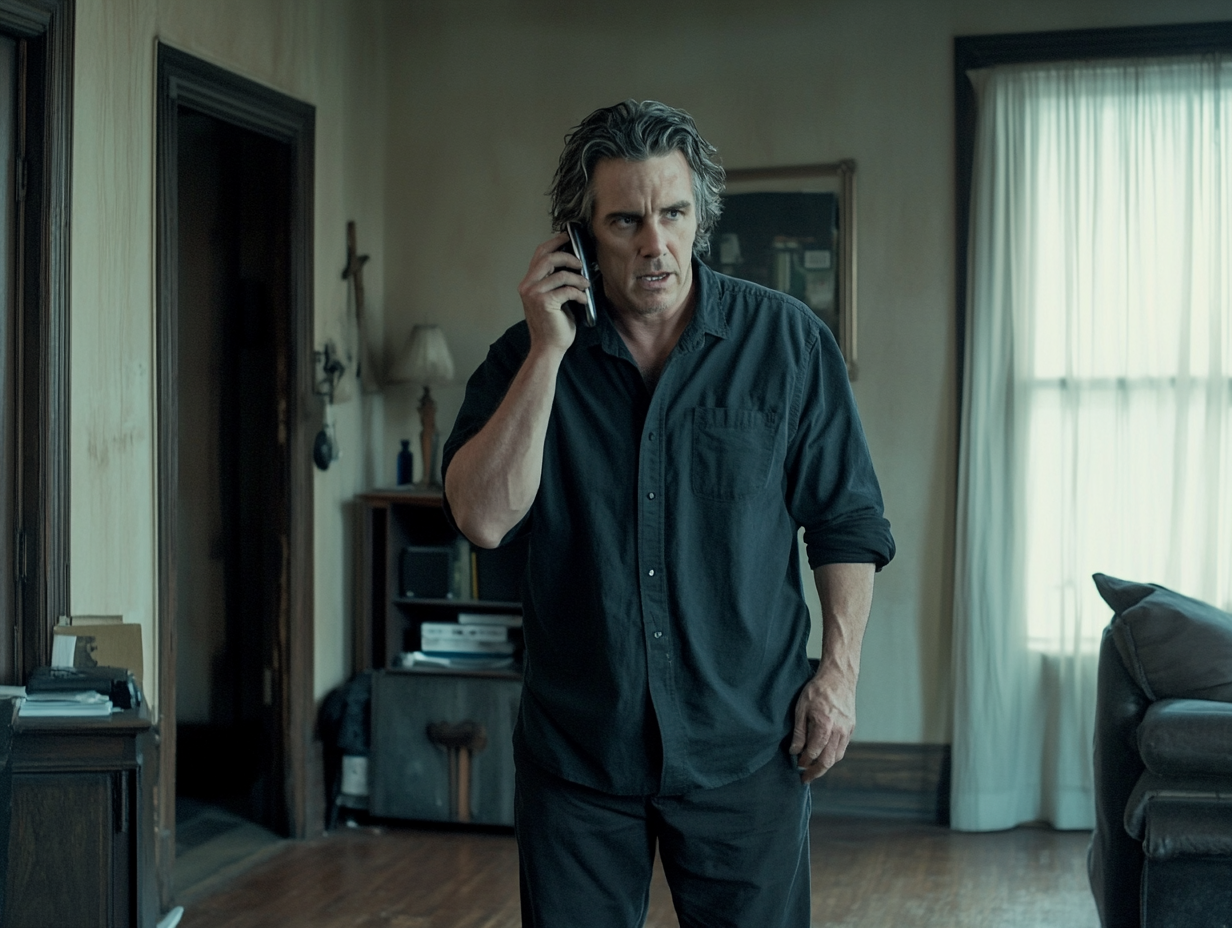
He called the diner, croaked an apology, and said he wouldn’t be coming in. Then he grabbed a crumpled hoodie and walked to the clinic down the block. The waiting room was filled with bleary-eyed clubbers and elderly locals. Vincent took a seat somewhere in between—neither one nor the other.
To his left sat a girl in fishnets clutching a bottle of water like it held her soul. To his right, an old man leaned heavily on his cane, his daughter filling out forms. Vincent glanced at his own hands—veined, spotted, no longer quick to heal. Something in him shifted.

For the first time, the mirror he held up to life cracked. He had always seen himself as timeless, the exception to decay. But now, watching the old man rub his swollen knuckles, Vincent felt a stab of something unfamiliar—recognition. He was no longer pretending to be young. He was pretending not to be old.
His name echoed through the room. A nurse waved him in. Vincent stood slowly, every movement suddenly deliberate. His knees cracked as he rose, and he forced a chuckle, as if to keep things light. “Old pipes,” he mumbled to no one. But inside, his chest was tightening with unease.

The checkup room was sterile and quiet, a sharp contrast to the chaos that usually surrounded him. The doctor, a man in his early forties with tired eyes and a no-nonsense tone, asked him questions. How long had the pain lasted? Where exactly did it hurt? Vincent answered, still trying to sound casual.
He hoped it was something minor—ulcers, maybe. A stomach bug. A little warning to slow down. But when the scans came back, the doctor’s demeanor changed. He sat down across from Vincent and spoke the words slowly, carefully, like lowering a hammer. “You have pancreatic necrosis,” he said. “It’s severe.”
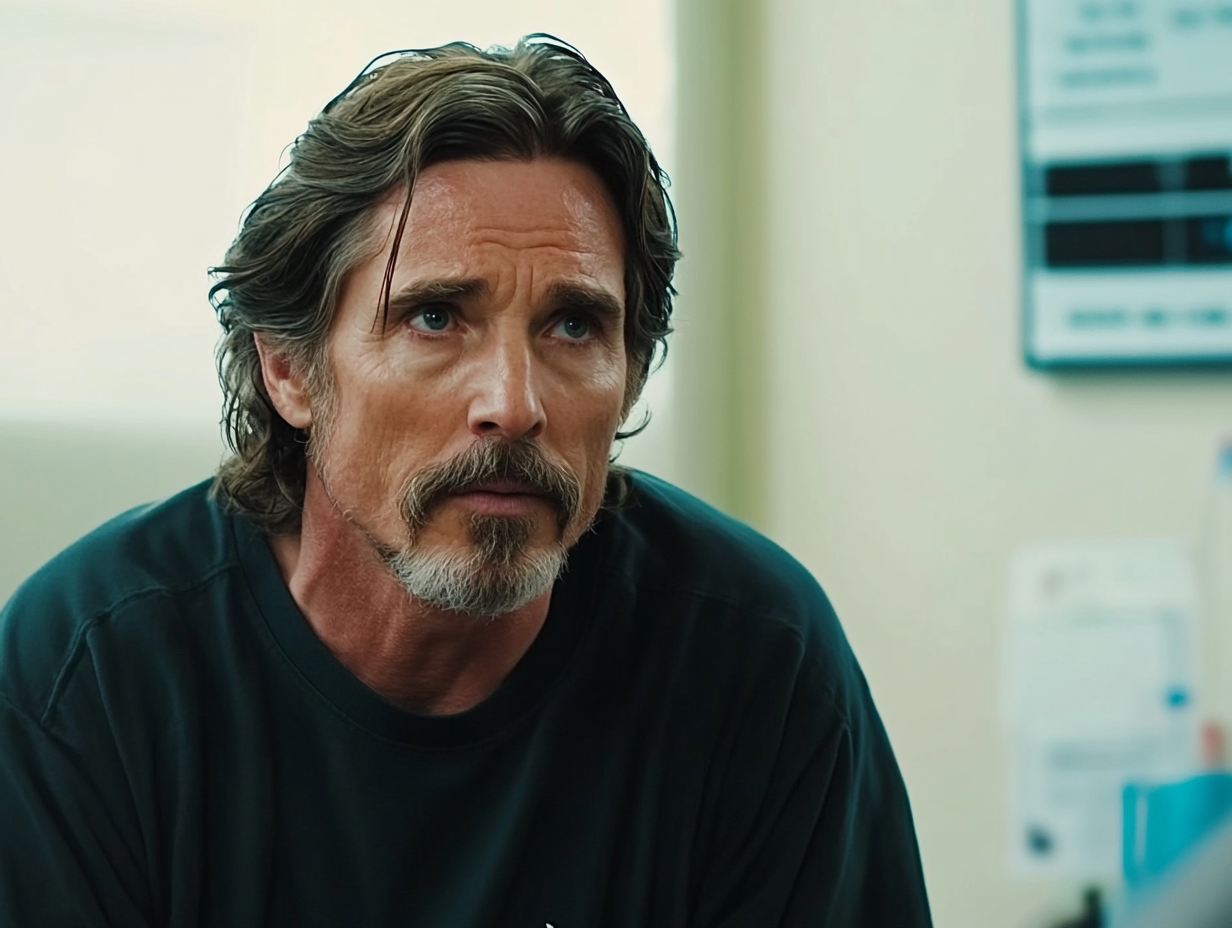
Vincent blinked, unsure if he’d heard right. The words felt heavy, alien. The doctor continued, explaining that the tissue in part of his pancreas had begun to die—caused by years of heavy alcohol use. It wasn’t something that would go away on its own.
“You’ll need surgery,” the doctor said, his voice steady but not unkind. “The necrotic tissue has to be removed. Do you have a family? It’d be a good time to let them know.” Vincent stared at the floor. Forty-nine, and this was his future—clinging to life through prescriptions and precision.
He didn’t argue. Didn’t cry. Just nodded faintly, took the painkillers prescribed, and walked out without asking questions. The sunlight outside felt too bright, too indifferent. By the time he got home, the paper bag in his hand was crumpled, and the ache in his side had returned with a vengeance.
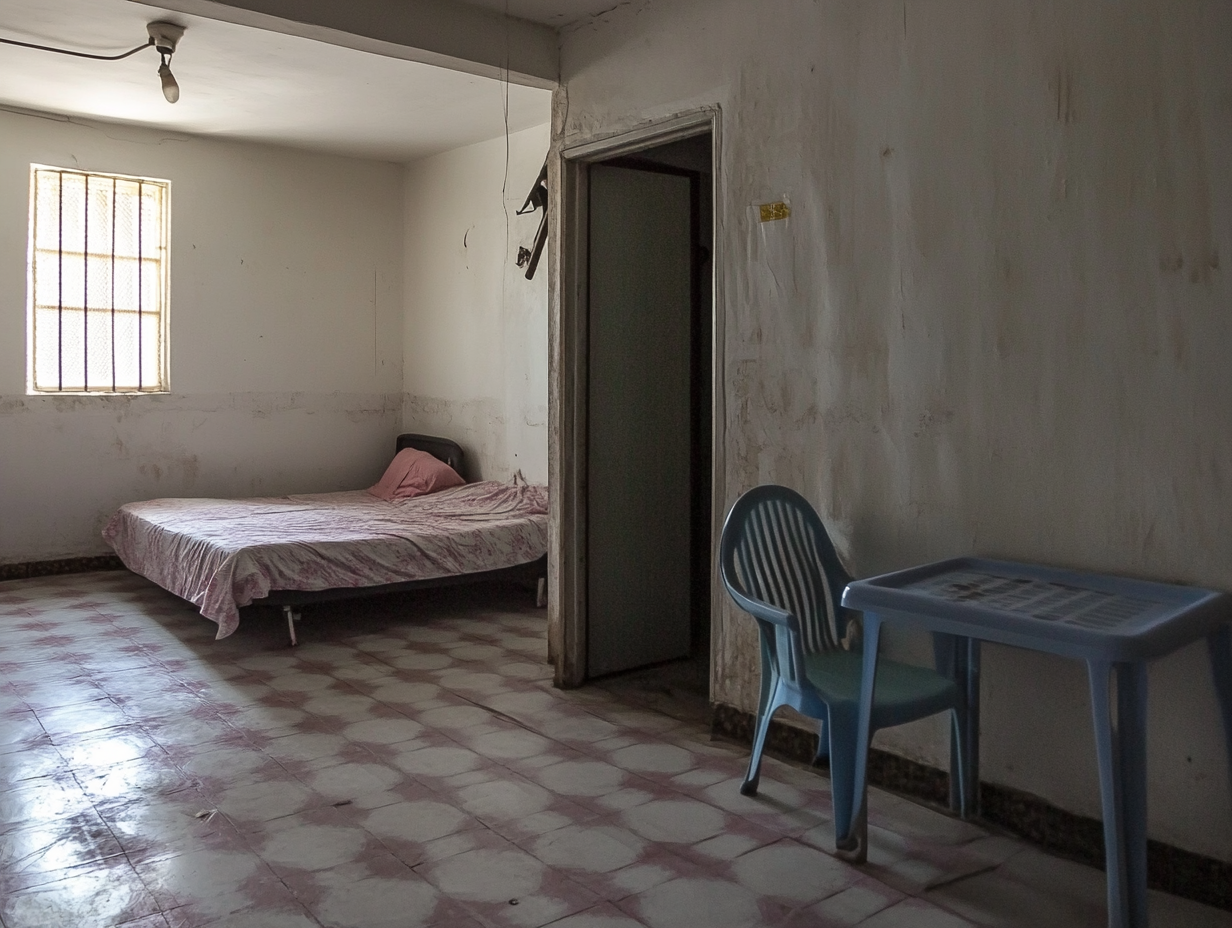
The apartment looked different in daylight. Harsh. Honest. A one-bedroom box with flaking walls, a crooked mattress near the door, and a rickety plastic chair next to a table scarred by cigarette burns. For decades, Vincent had filled the nights with noise. But in the quiet, everything felt empty.
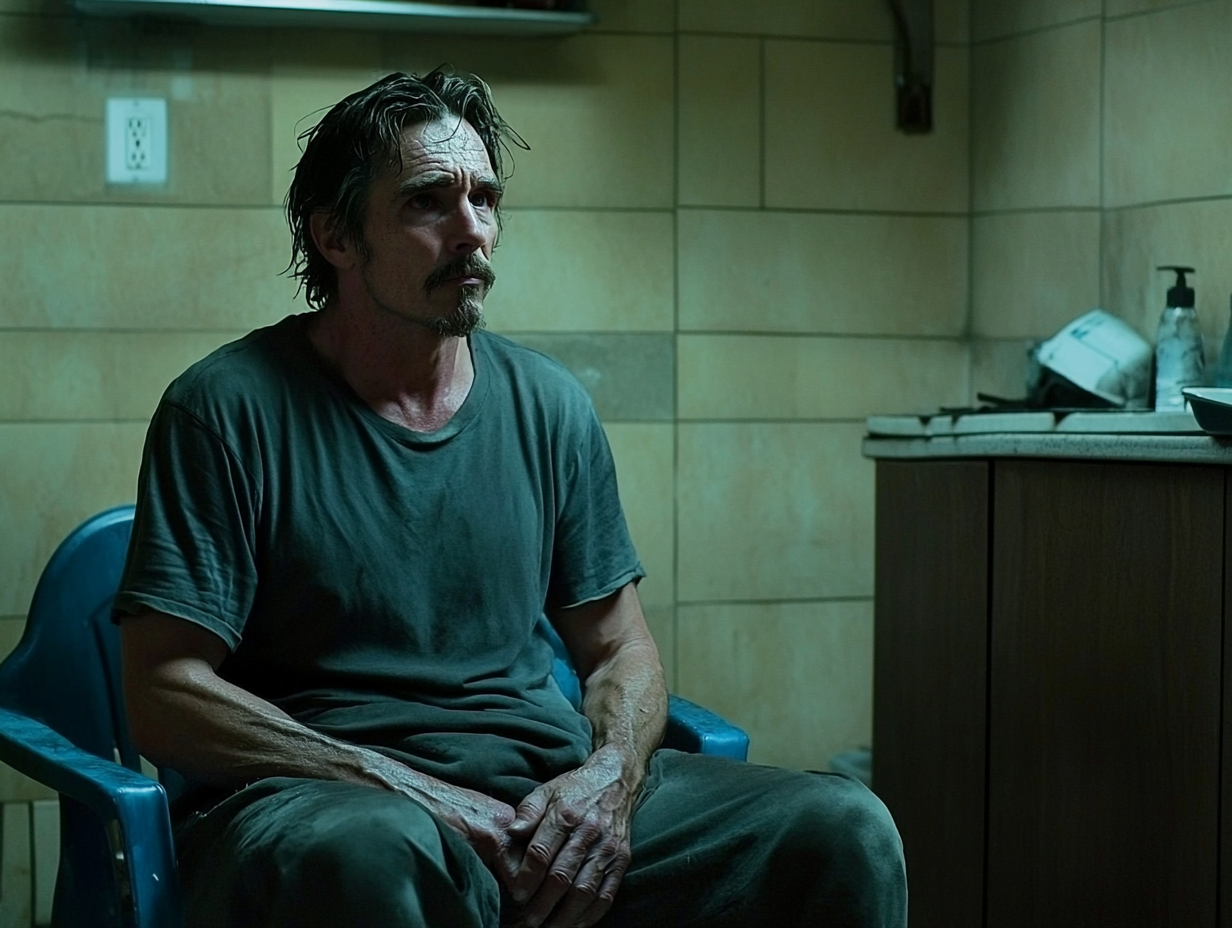
He looked around and realized—he’d built nothing. No house, no savings, not even a car to call his own. Every paycheck had evaporated into music, liquor, and late nights. He hadn’t prepared for a future because he never expected to need one. But now, the bill had arrived—$50,000 and no escape.
Vincent sat there for hours, the silence unspooling like a reel of tape. He didn’t reach for a drink. Didn’t call anyone. For the first time, he let himself feel it all—fear, shame, disbelief. He’d lived like a ghost passing through parties. Now he felt real. Too real.
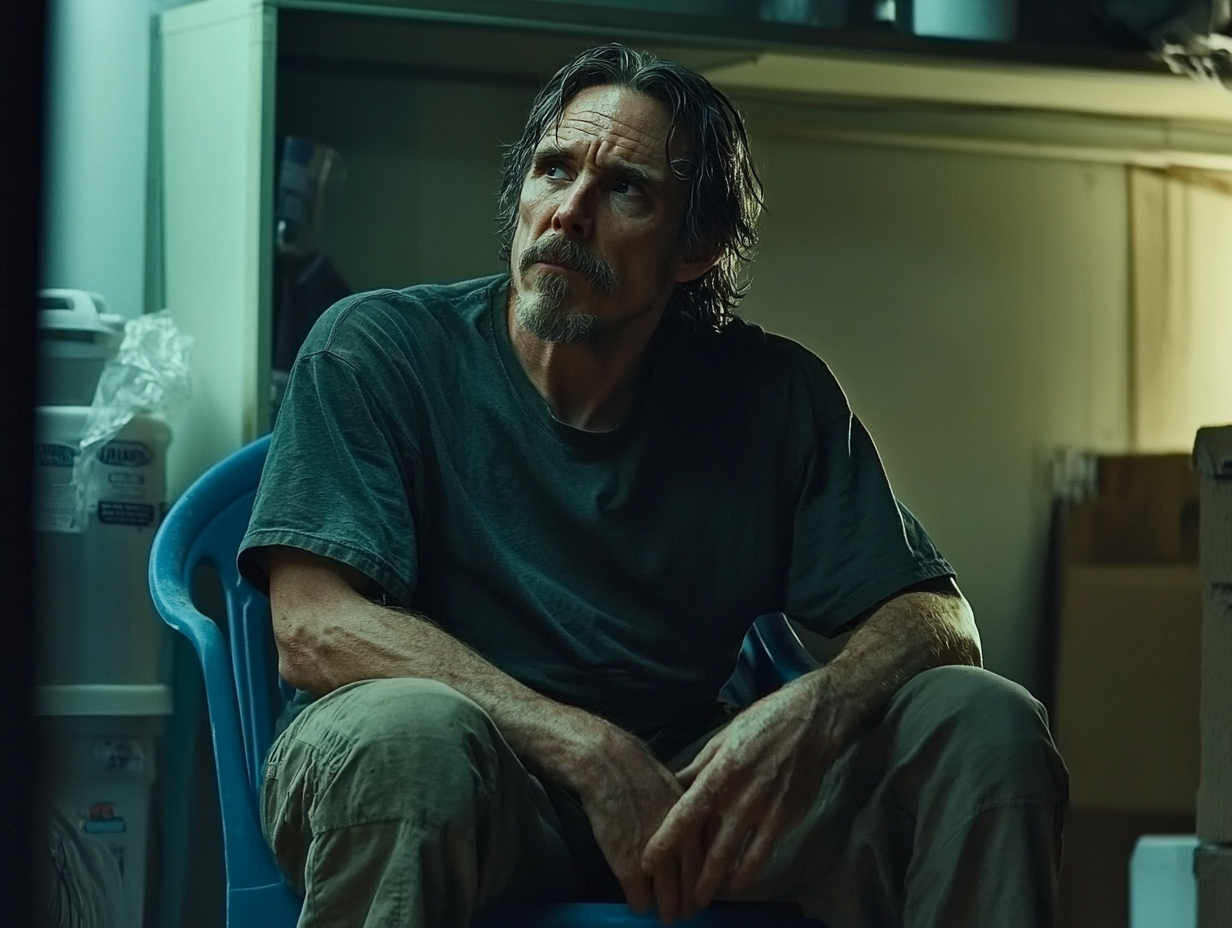
And with reality came memory. Uninvited but sharp. Vincent found himself back in his childhood home in small-town America, where summers smelled like cut grass and his mother called him in for dinner. He remembered the younger version of himself—the boy who hadn’t yet run, who hadn’t yet lost.
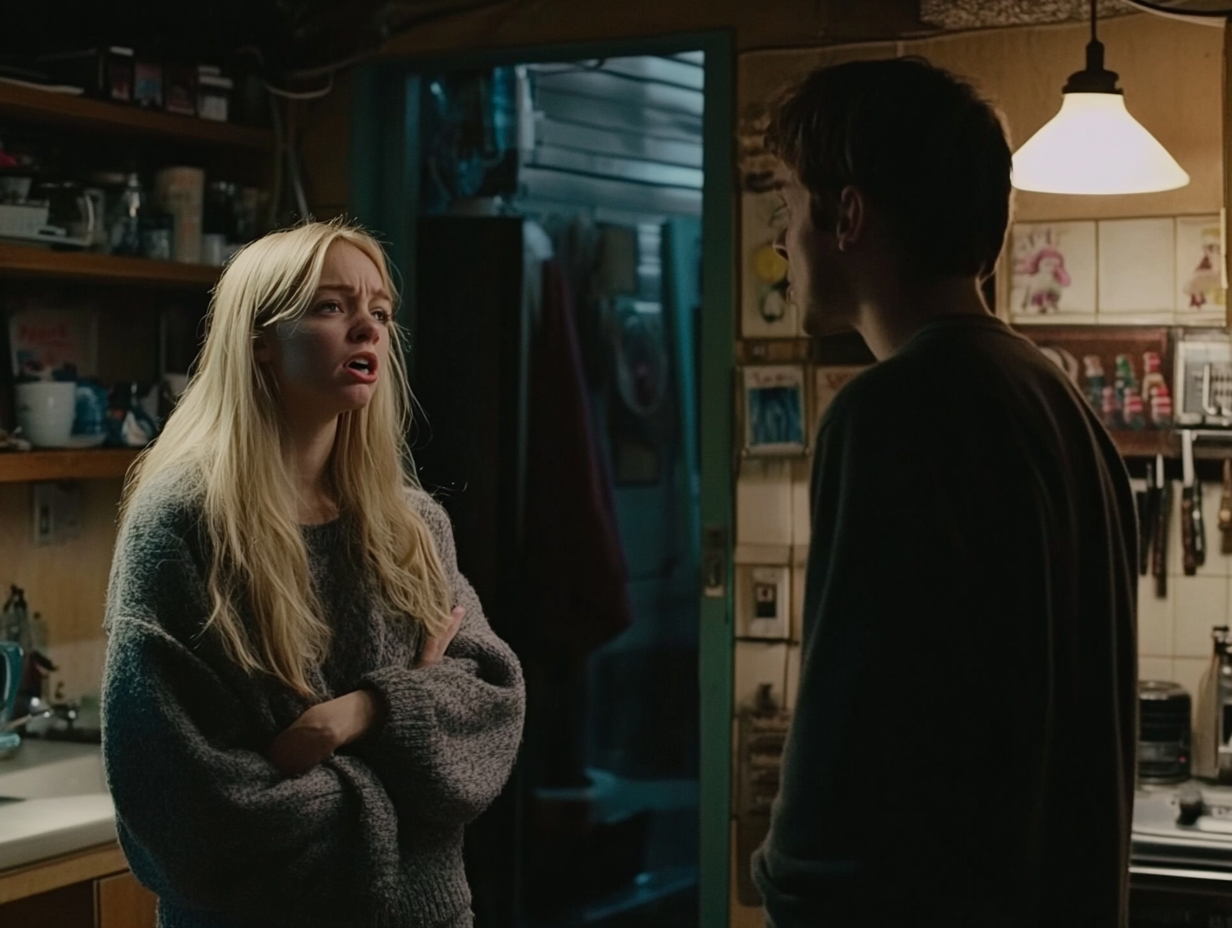
Then, like a jolt, came Linda. He had tried for years not to think about her. But now, there she was—laughing in their old apartment, wearing that blue sundress. His wife. His first love. And maybe the only person who had ever seen through the chaos to the core of him.
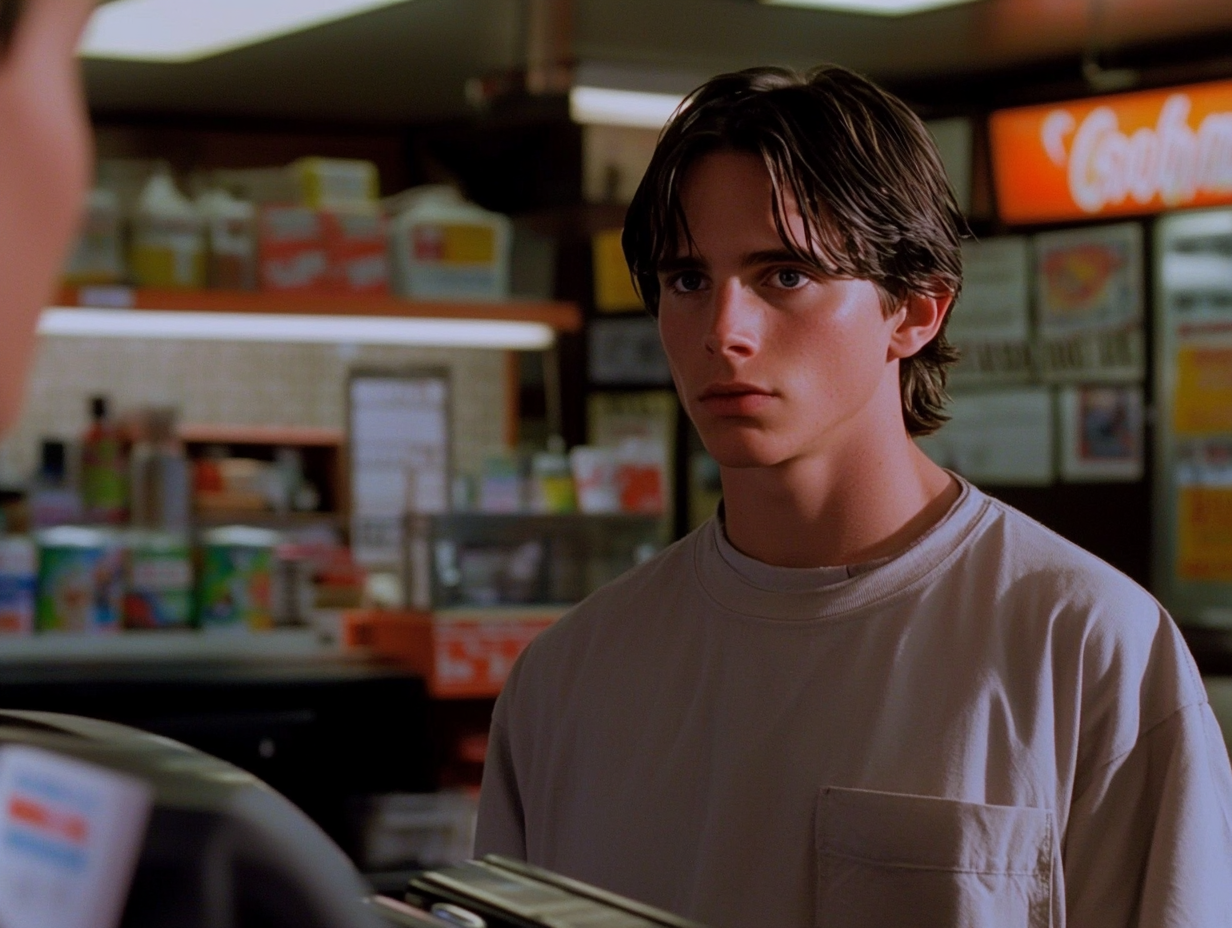
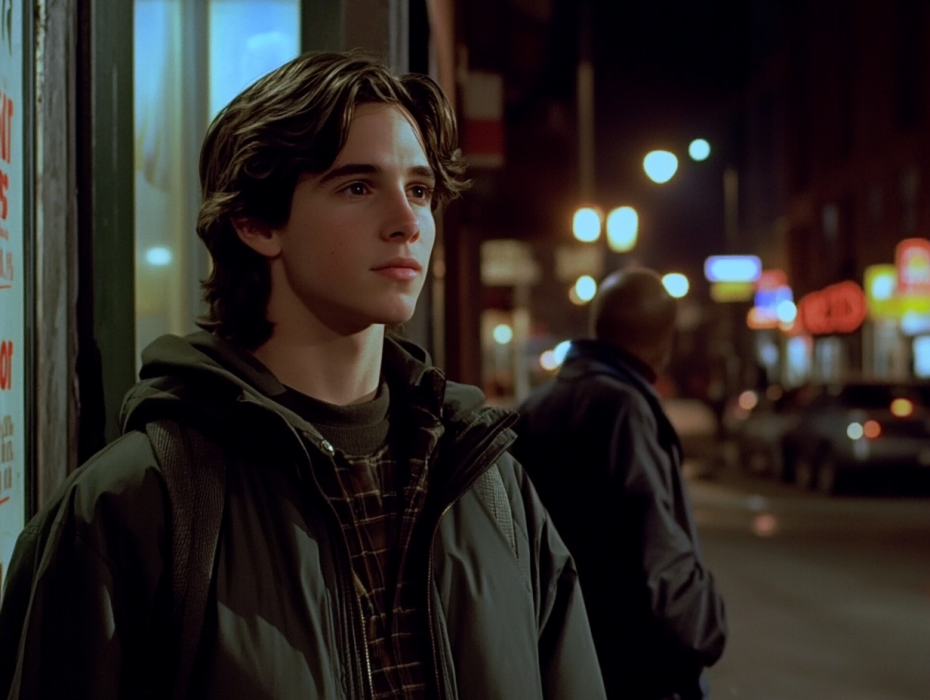
Vincent had met Linda when he was twenty-one, freshly dropped out of the local community college and aching to get away from the dust of his hometown. New York had felt electric, a place that pulsed with opportunity. He took the first job he found—manning the register at a small bodega.
Linda was just another customer at first. She’d come in every night around ten, buy a pack of Camels and a protein bar, always exact change, always alone. She had sharp eyes and a theatre kid’s posture. Vincent noticed her, sure, but didn’t really see her until that one night.
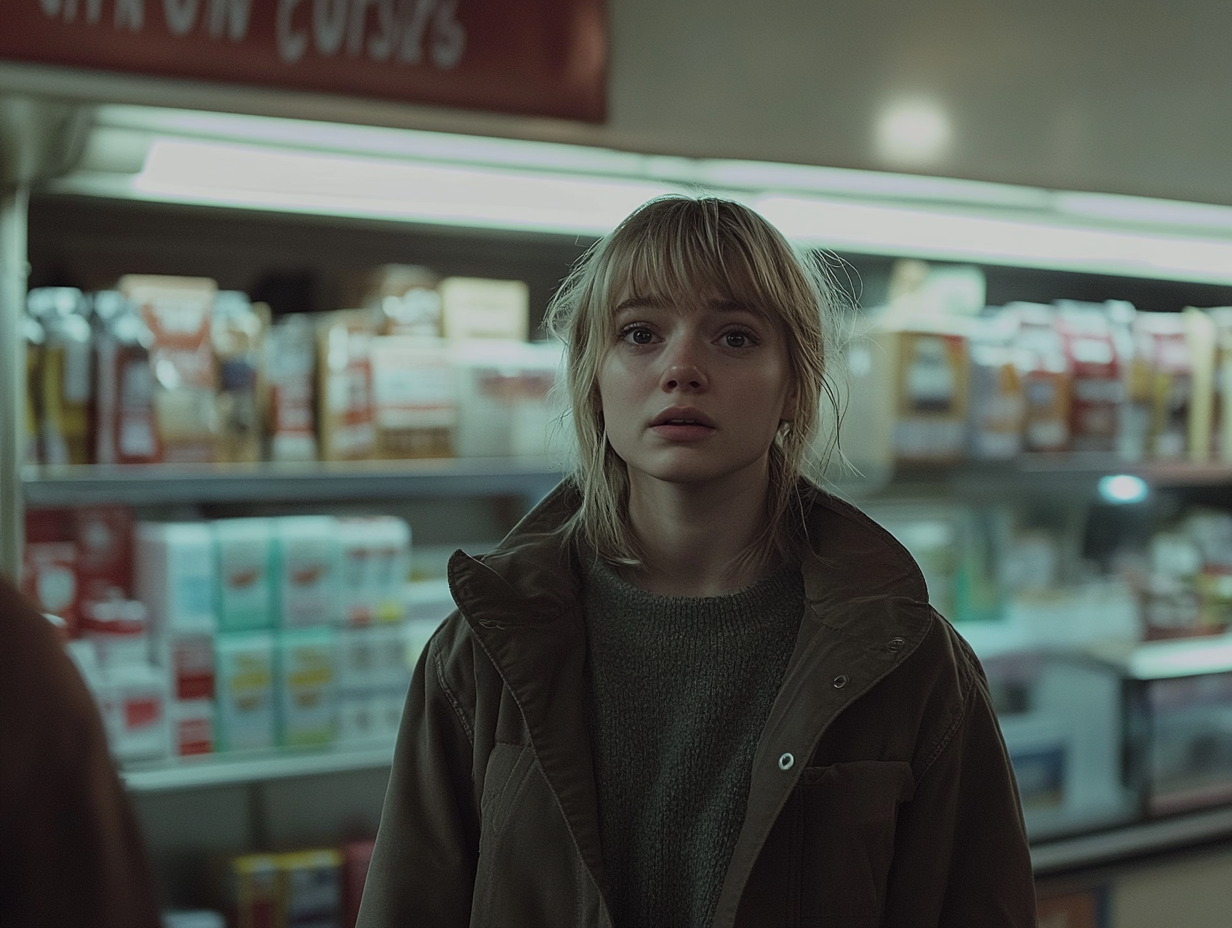
She looked different when she walked in—face blotchy, mascara smudged. “Got a light?” she asked, holding up her half-empty pack. Then, hesitating, “Want to join me?” They stood outside, leaning on the metal shutter, the buzz of the street dimming as she exhaled her heartbreak into the air between them.
That night she told him everything—how she’d just lost her part in a Broadway showcase, how it felt like years of auditions and waitressing had collapsed in an instant. Vincent, who had never dreamed beyond tomorrow, found himself moved. Her heartbreak was loud. Her hope, even louder. And it cracked him open.